


You too can benefit from our special expertise in waste disposal. Contact us now
The right treatment solution for every type of hazardous waste
Not all hazardous waste can be treated in the same way. Depending on its composition and properties, different recovery, treatment or safe disposal methods may be required. The aim of professional hazardous waste treatment is to reduce both the volume of the waste and its hazardous properties while making subsequent handling and recovery easier. Certain types of hazardous waste, such as solvents, metals and waste oils, can be processed and recycled to recover valuable materials. Other waste streams are suitable for energy recovery and can contribute to energy generation through thermal treatment, helping to partially replace fossil fuels.
REMONDIS Industrie Service has many years of experience in the professional and safe treatment and disposal of hazardous waste. Through an extensive network of specialised facilities and partners, REMONDIS Industrie Service International can provide suitable treatment, recovery and disposal solutions for a wide variety of waste streams – including specialised disposal solutions for particularly challenging materials such as lithium-ion batteries, PFAS-containing waste and refrigerants.
Our experts will be happy to provide individual advice and help you identify safe and suitable recovery and/or disposal solutions for your waste streams. Contact us now
Through REMONDIS Industrie Service’s extensive network of facilities, our international partners also have access to numerous additional specialised treatment and disposal capacities. Discover all REMONDIS Industrie Service plants and facilities
Hazardous waste treatment technologies
REMONDIS Industrie Service supports waste management companies and partners around the world with complex and cross-border waste management projects. We see ourselves as a specialist partner to the waste management industry, complementing existing local structures with additional expertise and specialised treatment capacities. A variety of treatment, recovery and disposal technologies are available to meet the different requirements of hazardous waste.

To find out what we can do for you, please e-mail us
Which methods are used to treat hazardous waste?
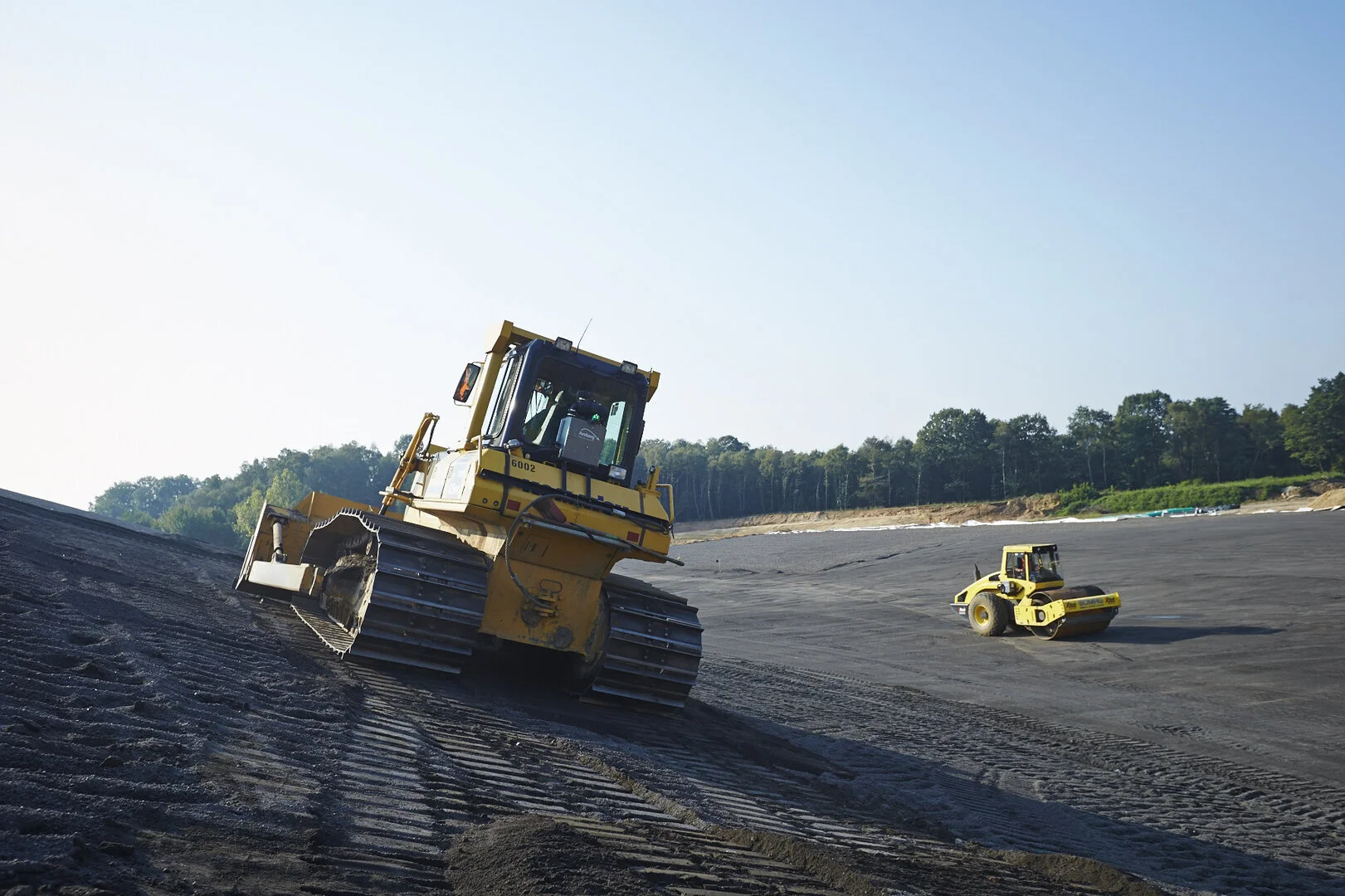
Find out more about underground recovery and engineered landfill disposalThe appropriate treatment method for a hazardous waste stream depends on its specific properties and the intended recovery or disposal route. Every project therefore begins with an assessment of the individual waste stream. Factors considered include the type of waste and its waste code, its physical state, composition, pollutant content and hazardous properties. Potential material or energy recovery routes, calorific value, facility-specific acceptance criteria and the applicable legal requirements are also taken into account. Based on this information, the waste can be assigned to a suitable treatment method and an appropriately specialised facility. The REMONDIS Industrie Service network provides access to a variety of solutions, including:

Chemical-physical treatment
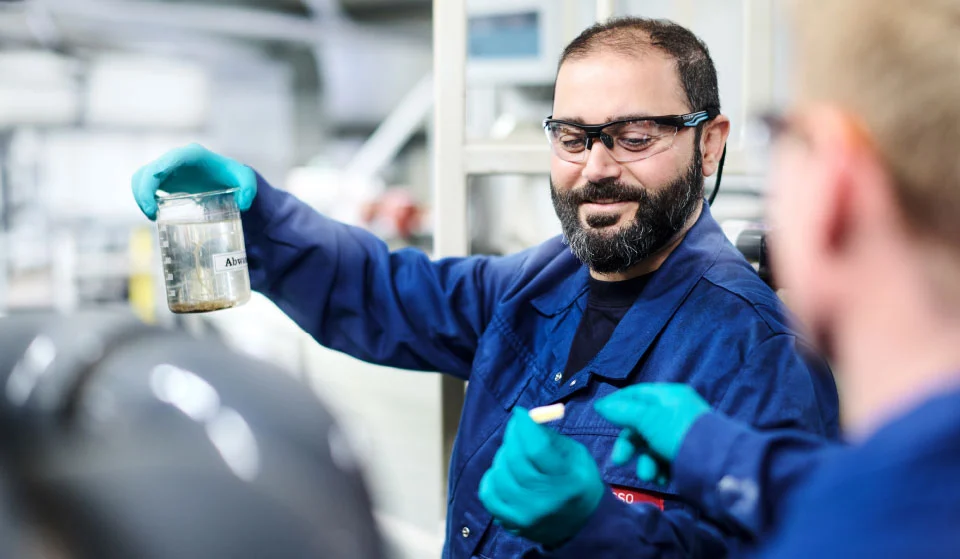
Physical and chemical methods are combined to treat a wide range of hazardous wastes. A particular focus is placed on liquid waste such as acids and alkaline solutions, which can, for example, be neutralised or prepared for subsequent treatment.

Underground recovery and backfilling of salt mines
Specialised underground solutions are available for certain mineral waste streams. These may include fly ash and bottom ash from incineration processes, filter dust from metallurgical processes and waste with a high salt content.

Thermal treatment and hazardous waste incineration
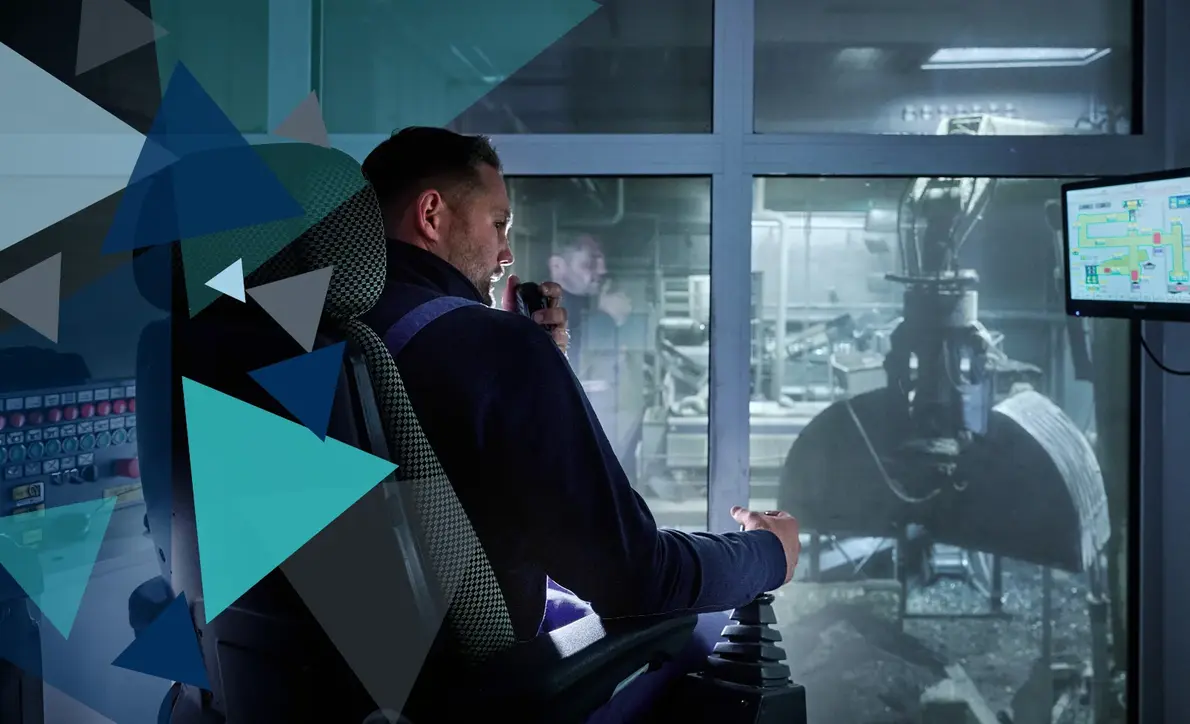
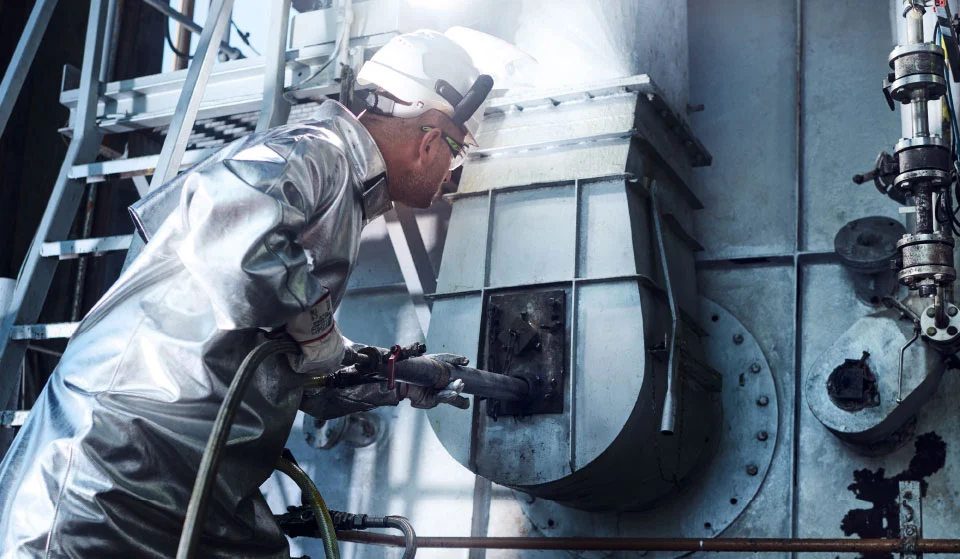
Specialised high-temperature treatment processes are available for waste that cannot be recycled for reuse or adequately treated by other means. The REMONDIS network of facilities includes, among others, TRV, REMONDIS SAVA and the high-temperature incineration plant in Bramsche for the thermal treatment of hazardous waste.
Waste classification for cross-border waste shipments
For international waste management projects, the correct classification of a waste stream is just as important as the technical suitability of the treatment facility. In Germany, waste is classified in accordance with the German Waste Catalogue Ordinance (Abfallverzeichnis-Verordnung – AVV) using the relevant six-digit waste code. For cross-border waste shipments, the requirements of the EU Waste Shipment Regulation must also be taken into account, along with – depending on the transport route and destination country – the classifications established under the Basel Convention. This means that the AVV waste code alone does not determine how a waste stream may be shipped internationally. The applicable Basel code, the intended treatment or recovery route and the countries of origin, transit and destination can all influence which supporting documents, information requirements or approvals from the competent authorities are required.
Since 21 May 2026, waste shipment procedures within the EU have increasingly been handled electronically under the new EU Waste Shipment Regulation using the Digital Waste Shipment System (DIWASS). REMONDIS Industrie Service therefore supports its partners not only in identifying suitable treatment capacities but also in meeting the requirements associated with international waste shipments and the corresponding documentation.