


Need a suitable disposal route for hazardous waste? Contact us to discuss your waste stream, available analyses and project requirements.
Disposal routes for hazardous solid waste
Underground disposal and engineered landfills are established methods for the disposal of hazardous waste, particularly waste generated by industrial and manufacturing processes. Both disposal routes are designed for the long-term management of waste streams that cannot be recycled or treated through other suitable processes. Engineered landfills and underground disposal facilities are designed to contain hazardous waste under controlled conditions and to reduce the risk of releases into the surrounding environment. The appropriate disposal route depends on the type, composition and classification of the waste, as well as on the applicable limit values and acceptance criteria defined, among other requirements, in the German Landfill Ordinance (DepV).
REMONDIS Industrie Service supports industrial companies and waste management providers in assessing hazardous waste streams and identifying suitable disposal options. For international projects, our team also coordinates with suitable facilities to determine the required analyses, documentation and acceptance requirements for cross-border waste shipments.

Regulatory framework for hazardous waste disposal
At European level, the Waste Framework Directive (2008/98/EC) distinguishes between recovery operations (R operations) and disposal operations (D operations). Underground disposal and engineered landfills are classified as disposal operations under this framework. Specially engineered landfills are listed as D5 disposal operations, while permanent storage, for example the emplacement of waste in an underground mine, is classified as D12. The applicable disposal route depends on the characteristics of the waste and the requirements of the respective facility.
In Germany, the Landfill Ordinance (DepV) sets additional requirements for landfill classes, acceptance criteria and the disposal of hazardous waste.
Underground disposal and backfilling
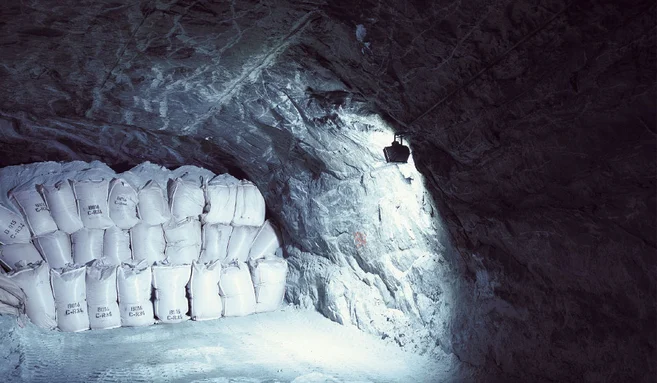
Underground disposal provides a long-term disposal option for certain hazardous waste streams that cannot be recycled or treated through other suitable processes. Waste is placed in designated underground facilities, subject to the characteristics of the waste and the acceptance criteria of the respective facility. Underground facilities make use of suitable geological structures and are operated according to specific technical and regulatory requirements. Depending on the facility and the waste stream, underground solutions may include permanent disposal or backfilling. In backfilling operations, suitable waste may be used for defined technical purposes within former excavation areas, subject to the applicable requirements.
Hazardous waste suitable for underground disposal
Underground disposal may be suitable for specific solid hazardous waste streams from industrial processes. These can include residues from the steel and metal industries, filter dust, filtration residues, evaporation residues, hazardous fibre waste and certain waste containing substances such as arsenic, cyanide or mercury.
Whether a waste stream can be accepted depends on its composition, classification and analytical results as well as the acceptance criteria of the respective facility.
Engineered landfills for hazardous waste
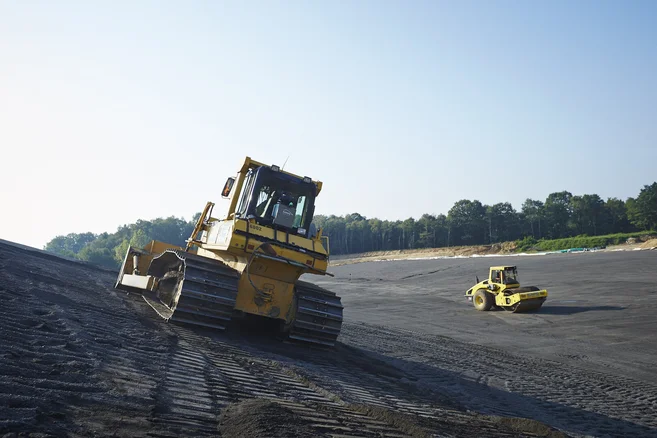
Engineered landfills provide a controlled disposal route for solid waste that meets the acceptance criteria of the respective facility. They are specifically designed for the long-term deposition of waste and incorporate technical systems to control and monitor the landfill during operation and, where required, after closure. REMONDIS Industrie Service supports industrial companies and waste management providers in identifying suitable landfill options and coordinating the required analyses and documentation for national and international disposal projects.
What are engineered landfills?
Engineered landfills are specially designed facilities in which solid waste is deposited in designated landfill areas or cells. Depending on the landfill class and applicable requirements, technical systems may include geological barriers, base sealing, leachate collection and treatment, groundwater monitoring and surface sealing.
These systems are designed to control the deposition of waste and reduce the risk of releases into the surrounding environment. Before waste can be accepted, its characteristics and analytical data must be assessed against the acceptance criteria of the respective facility.
Why are landfill sites required?
Landfill sites are required for waste that cannot be prevented, prepared for reuse, recycled or otherwise recovered safely. For certain hazardous waste streams, engineered landfills or permanent underground storage therefore remain necessary as a final disposal route. They provide controlled conditions for the safe and permanent isolation of waste that cannot be returned to the material cycle or treated by other suitable methods.
Under the EU Waste Framework Directive, waste management operations are divided into recovery operations (R operations) and disposal operations (D operations).

Recovery operations (R operations)
Aim to use waste for a useful purpose, for example by replacing other materials or by recovering substances or energy.

Disposal operations (D operations)
Cover processes in which waste is permanently disposed of rather than recovered. Engineered landfills and permanent underground storage are examples of disposal operations under the Directive.
Where waste cannot be avoided, prepared for reuse, recycled or otherwise recovered, disposal may be required as the final step in the waste hierarchy. For certain hazardous waste streams, engineered landfills or underground disposal facilities therefore remain necessary disposal routes. Modern landfill systems are designed to contain waste under controlled conditions and incorporate technical measures such as sealing, monitoring and collection systems. Which disposal route is appropriate depends on the characteristics and classification of the waste as well as the applicable acceptance criteria and regulatory requirements. For hazardous waste generated by industrial and manufacturing processes, REMONDIS Industrie Service supports customers in identifying suitable disposal options and coordinating the required analyses and documentation.
Do you have a hazardous waste stream that requires disposal? Contact us to discuss the waste characteristics, available analyses and suitable disposal options.